
Wrapped, Recapped, and Tracked - Dark UX, a retrospective..


Does providing a year in summary, similar to Spotify unwrapped, YouTube music unwrapped, steam library usage, Miro board usage etc help an app provider maintain a legitimate business case for keeping ALL data so that they can provide these year-end summaries and compare against previous years so they can legitimately keep multiple years worth of usage data?
Spotify Wrapped has popularised personalised year-in-review summaries, and several other platforms offer similar features to reflect on your usage throughout the year.
The question is: Am I sacrificing my privacy for a bit of gamification?
Ah, the end of the year. A time for mulled wine, questionable New Year’s resolutions, and (if you’re anything like the rest of us) an annual deep dive into your digital habits courtesy of apps that know you better than your mum. Spotify Wrapped, Apple Music Replay, Strava Year in Sport… these year-end summaries have become a cultural phenomenon. But behind the colourful graphics and “wow-I-really-did-listen-to-ABBA-500-times” moments lies a fascinating trade-off: your data.
Let’s peel back the curtain on how companies are turning your private information into a gamified stroll down memory lane; and why we’re all so willing to hand it over.
Nostalgia Meets Data
There’s something irresistible about a good recap. Humans are wired for nostalgia, it’s why we love photo albums, rewatching our favourite films, and reminiscing about “the good old days” (even if those days were just six months ago). Add a dash of gamification (leaderboards, streaks, achievements), and you’ve got a recipe for engagement that’s as addictive as TikTok at 2 a.m.
Enter year-end summaries. Spotify Wrapped is the poster-child here, transforming your listening habits into an Instagram-worthy highlight reel (eurgh). Suddenly, your guilty pleasure playlist isn’t just embarrassing - it’s content. And it works. Spotify Wrapped is so popular it trends on X every December. But they’re not alone. Here’s a quick rundown of other platforms jumping on the recap bandwagon:
Music & Entertainment
- Spotify Wrapped: The OG. Your top songs, artists, genres - and now even “listening personalities.”
- Apple Music Replay: Similar to Wrapped but with fewer bells and whistles.
- YouTube Music Recap: A summary of your most-watched videos and top genres.
- Netflix (unofficial): I popped this one as a cool lil extra, not part of the story as a 3rd party offering trends or personalised recommendations based on your binge history.
Social Media
- Snapchat Year in Review: Your best Snaps bundled into a nostalgic montage.
- Facebook Year in Review: A curated look at your most memorable moments (and probably that one photo you wish you hadn’t posted).
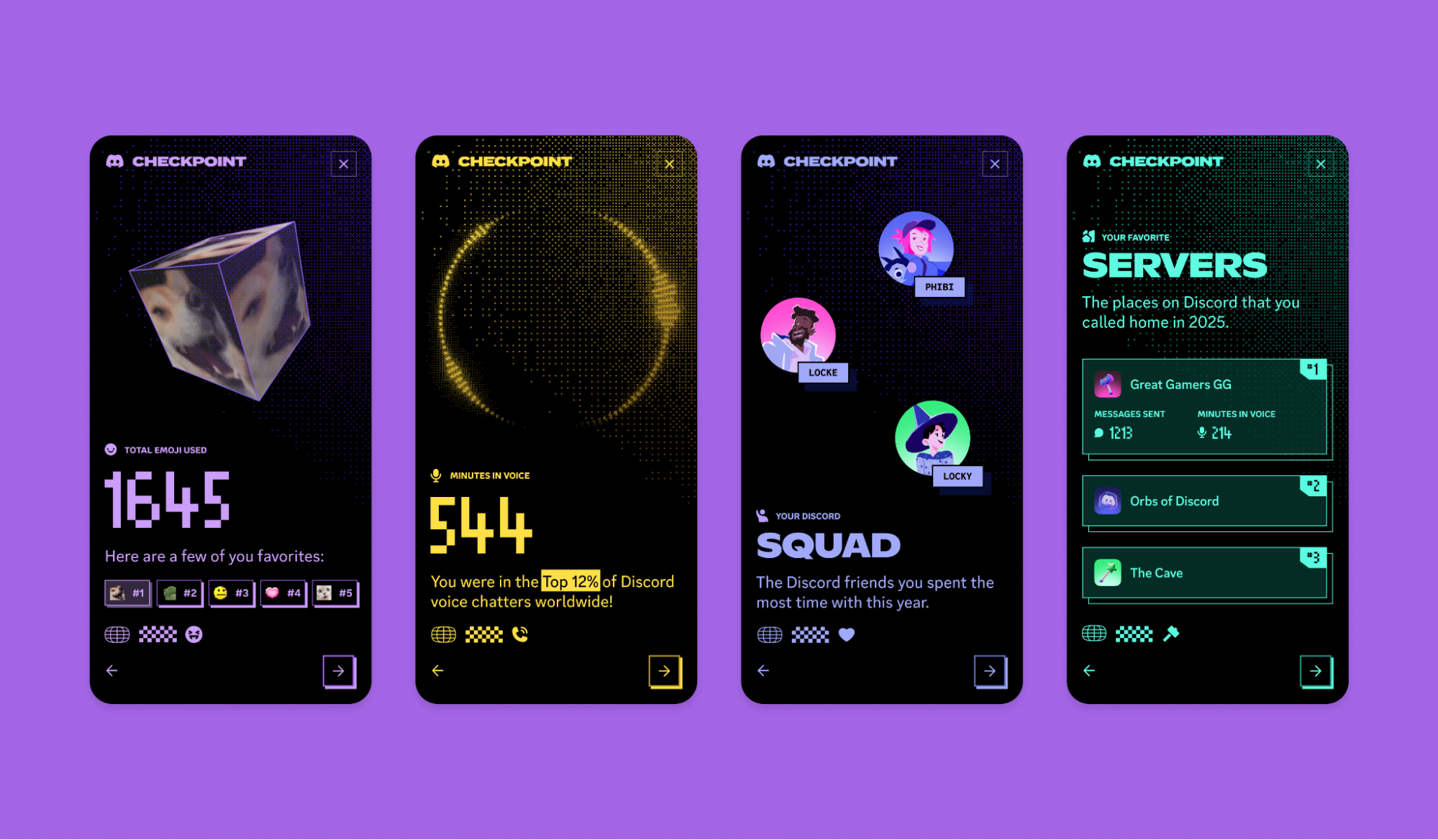
- Discord Checkpoint: A new one this year, see how many minutes spent, best squads, top servers etc.
Learning & Productivity
- Duolingo Year in Review: Highlights streaks, languages learned, and how often the owl guilt-tripped you.
- Goodreads Reading Challenge: A breakdown of books read, pages turned, and genres explored.
- Trello or Asana Reports: Reflects on tasks completed (or procrastinated) throughout the year.
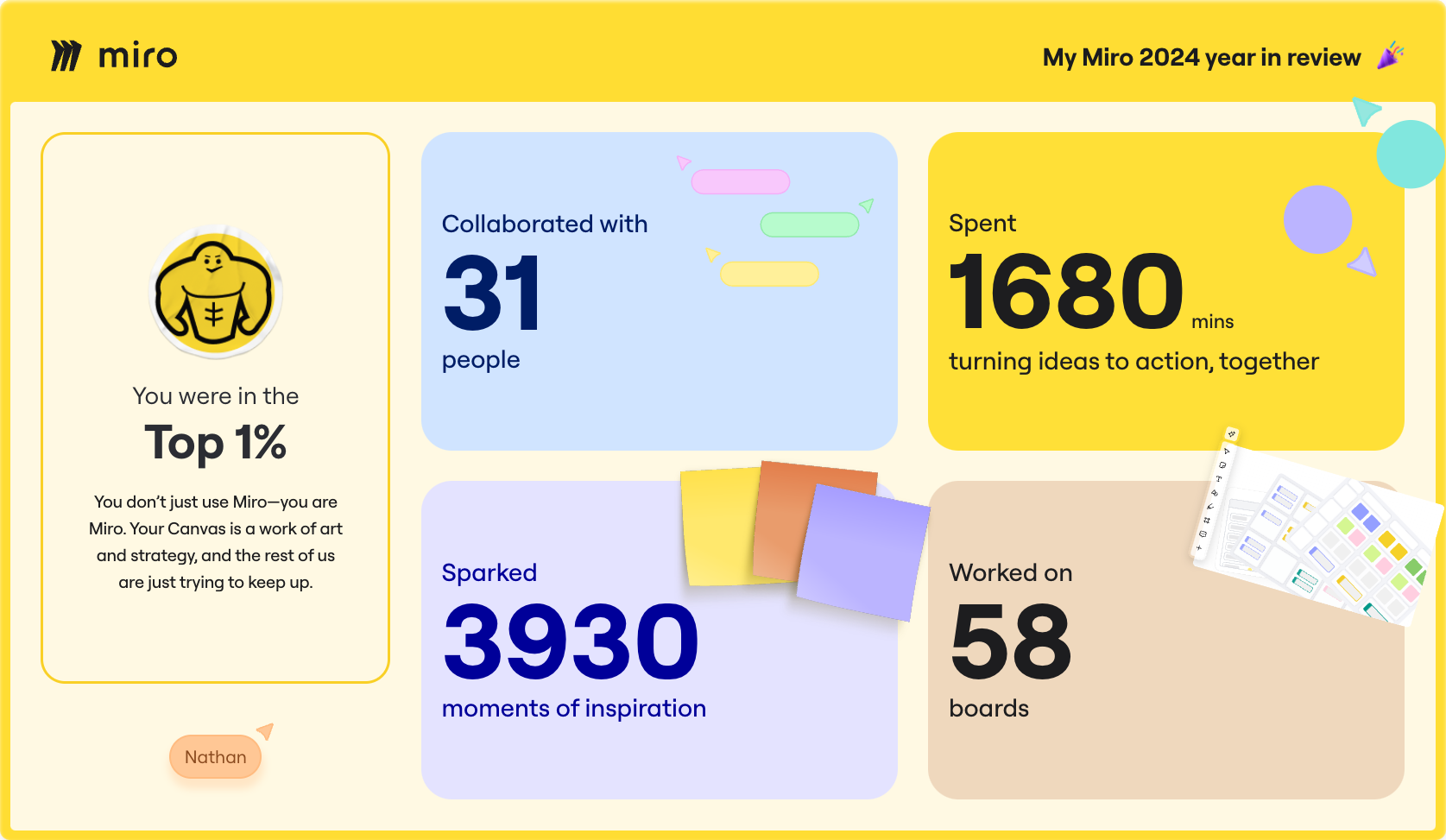
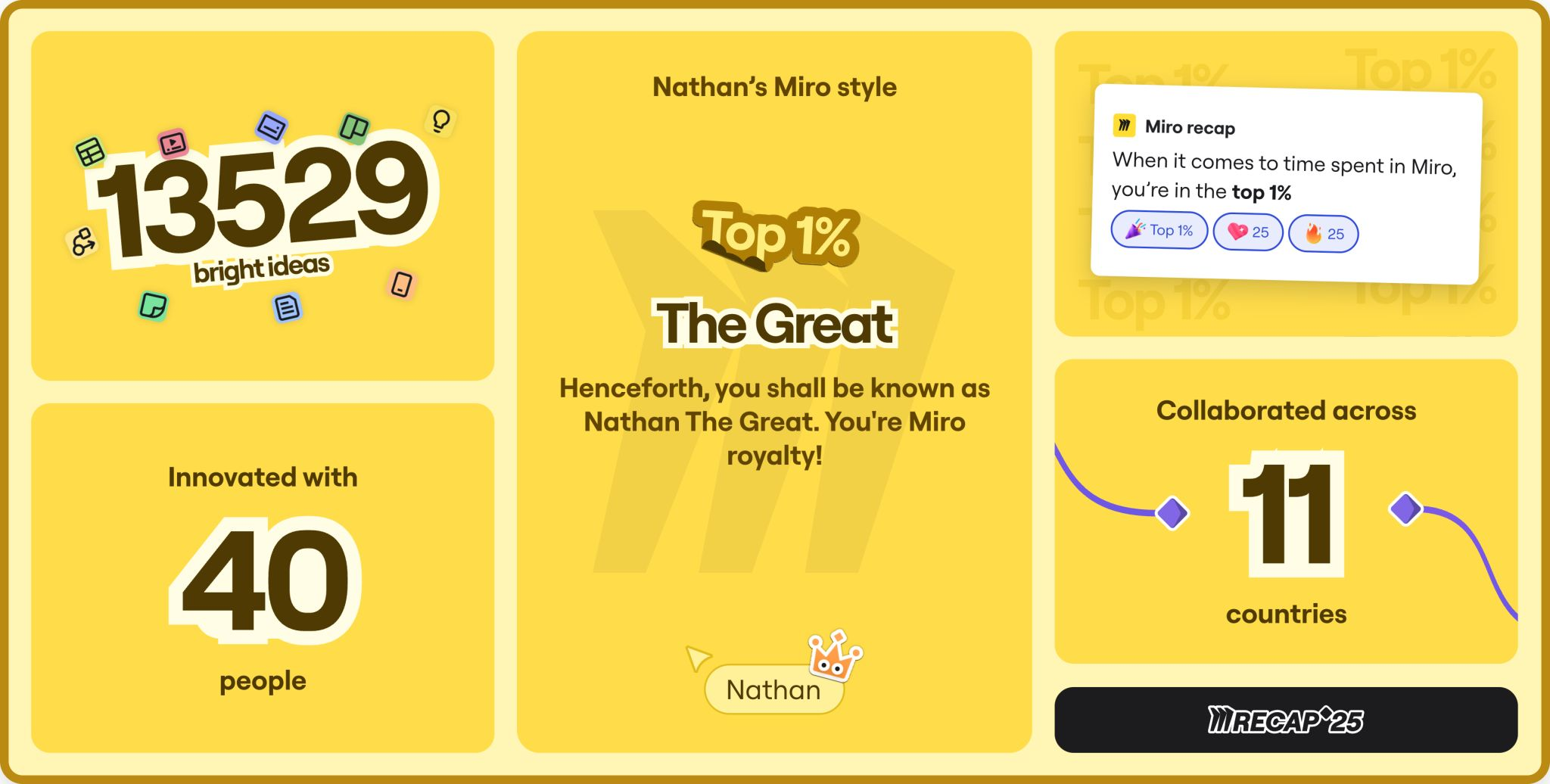
- Miro “My Miro 20xx year in review”
The Trade-Off: Data for Delight
Let’s be honest, these summaries are brilliant marketing. They make us feel seen (“Wow! I am unique for listening to Fleetwood Mac!”) while subtly reminding us how much we rely on these platforms. But they also legitimise something bigger: data collection.
Every time we click “Share” on our Wrapped or Replay results, we’re not just showing off our excellent taste in music, we’re validating the platform’s use of our data. It’s a clever exchange. Companies get to process mountains of information about us (legally!) while we get dopamine hits from seeing our lives neatly summarised in pastel colours.
But this raises an important question: how do companies ensure they’re handling our data ethically?
Balancing Fun With Privacy
Here’s where things get serious (but not too serious). Companies offering year-end summaries need to tread carefully to avoid crossing privacy lines. Here are some key steps they should take:
- Transparency Is Key - Users need to know what data is being collected and why. If you’re going to turn my late-night Taylor Swift binges into an infographic, at least tell me upfront.
- Consent Is Non-Negotiable - Platforms must obtain explicit permission before processing personal data for these recaps. No sneaky checkbox pre-ticked at sign-up.
- Data Minimisation Matters - Only collect what’s necessary for the summary no one needs to know how many times I skipped ads on YouTube.
- Security First - Protect user data like it’s the crown jewels. Breaches aren’t just bad PR; they’re a betrayal of trust.
- Value Exchange - Make sure the summary genuinely benefits users. If I’m handing over my data, I want something fun or useful in return—not just an ad for premium subscriptions.
Why We Love It Anyway
Despite privacy concerns, year-end summaries are wildly popular because they tap into something universal: our desire for self-reflection and storytelling. They turn mundane data into something meaningful and shareable.
It’s also worth noting that these recaps often make us feel good about ourselves. Whether it’s celebrating fitness milestones on Strava or discovering that we’ve read 20 books this year on Goodreads (even if one was Bridget Jones’s Diary for the fifth time), these summaries remind us that we’ve accomplished something—even if it was just listening to 10 hours of lo-fi beats while procrastinating.
The Ethical Dilemma
So where does this leave us? On one hand, year-end summaries are delightful ways to reflect on our habits and share them with friends. On the other hand, they normalise extensive data collection—and not every company handles that responsibility well.
As consumers, we should demand transparency and accountability from platforms while enjoying their offerings responsibly (yes, even if that means admitting we listened to Baby Shark more times than we’d like to admit). And as businesses? Well, there’s a golden opportunity here to build trust by prioritising ethical data practices while delivering value-packed recaps.
Looking Ahead
Year-end summaries aren’t going anywhere, they’re too good at what they do. In fact, more industries are likely to jump on this trend in the coming years (imagine an Amazon recap of your most-bought items… terrifying yet intriguing). The challenge will be ensuring that these recaps remain fun without compromising user privacy.
So next time you’re scrolling through your Spotify Wrapped or Strava stats while slurping a cup of coffee, take a moment to appreciate the delicate dance between nostalgia and data ethics - and maybe give Fleetwood Mac another spin while you’re at it.
Cheers! 🎧