Why mashup artists still matter in the era of AI music covers

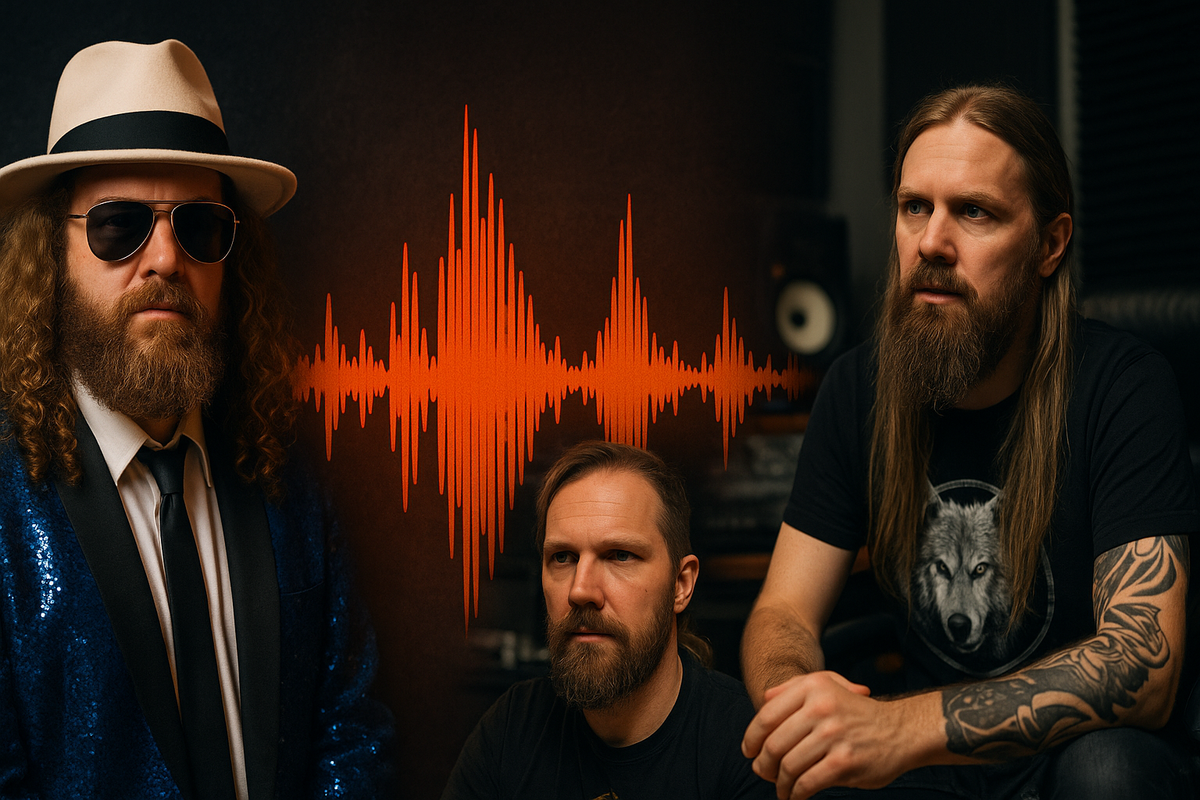
YouTubers such as DJ Cummerbund, ThereIRuinedIt, Bill McClintock, Frog Leap Studios (Leo Moracchioli) and more, show what a human ear can do. They hear tiny harmonic or rhythmic links and force two songs to talk. The result is a mashup or cover that keeps a human pulse: timing choices, ironic juxtapositions and deliberate clashes that make you listen again.
The skill behind the best YouTube mashups and covers
Great mashup and cover artists combine musical knowledge, timing and taste. They pick stems, nudge phrases and choose where to let a vocal break or an instrument take over. That careful curation explains why mashup YouTubers build followings: each track carries personality and intent. Search for “best YouTube mashups” and (for now) you’ll find why DJs like DJ Cummerbund attract millions of plays.
The rise of AI music covers and AI genre swaps
AI music covers and AI genre swap clips such as Fake Music now appear across platforms. Some AI genre swap demos sound astonishing. They recreate timbre, rephrase melodies and mimic production styles. Yet many AI music covers feel polished and empty. They reproduce texture and form but often lose the small mistakes, breath control and risky choices that give music feeling.
Human vs AI music: what’s missing
You use AI for speed and pattern spotting. It excels at repeating style. It struggles to take the creative leap a human makes: a bold mash, a cultural reference or a moment that recontextualises a lyric. Human-in-the-loop music—where a person curates and shapes an AI draft—produces the best results. That approach keeps the human spark while gaining efficiency.
Copyright, provenance and synthetic audio provenance
Platforms must make synthetic audio clear. Provenance metadata and visible attribution should tell listeners whether they hear a human-made mashup, an AI-assisted edit, or a fully synthetic song. Practical moves to support fair music practice:
- add a visible provenance flag on uploads (human, AI-assisted, synthetic)
- use audible or embedded watermarks for fully synthetic audio
- require attribution when models train on identifiable artists
- explore revenue models that compensate original creators when AI derives from their work
Why mashup artists still matter to music culture
Mashup artists do more than mix tracks; they create new meanings. They spark debates, expose shared musical DNA, and bring humour or criticism to the songs they bend. If you care what music feels like in five years, ask how platforms label AI music, how rights will be shared, and where humans remain essential.
Because of the massive rise in AI mashup/genre-swapping, DJ Cummerbund has announced he is retiring!


Practical questions to consider
- Do you want AI music tagged clearly when it’s synthetic or AI-assisted?
- Should platforms require watermarks or provenance fields for uploads?
- What rights should artists retain when models learn from their recordings?
If you care about music that moves you, back platforms and policies that make provenance visible, support fair licensing, and favour human-in-the-loop workflows. AI can speed parts of the process, but the creative leap still belongs to people like DJ Cummerbund, Frog Leap Studios and the mashup artists who make songs talk.